Home Medix HM-KV 5 LPM vs Invacare Perfect O2 V
EDITORIAL PICK
Home Medix HM-KV 5 LPM
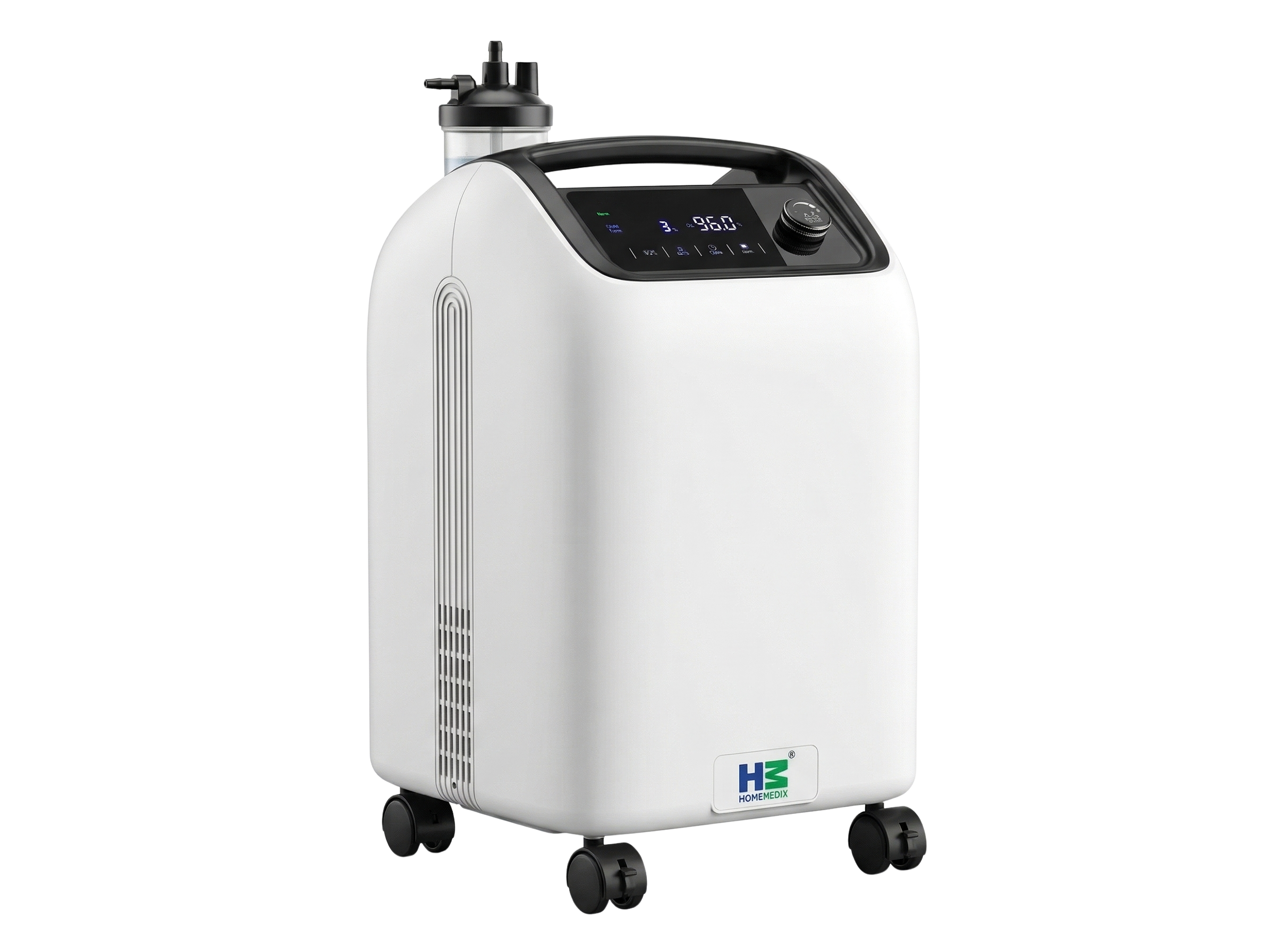
- Brand
- Home Medix
- Category
- 5 LPM
₹37,800₹54,000
Indicative pricing based on market intelligence. Varies by dealer, city, bundle, and period — confirm with a local authorised seller before buying.
HHZ SCORE 7.7/10
Invacare Perfect O2 V
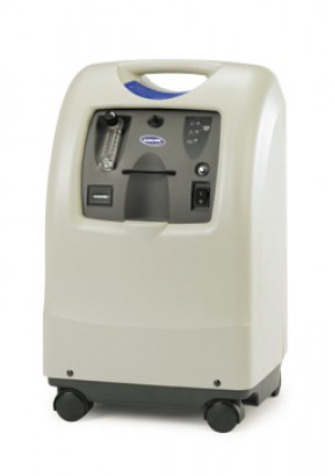
- Brand
- Invacare
- Category
- 5 LPM
₹59,520
Indicative pricing based on market intelligence. Varies by dealer, city, bundle, and period — confirm with a local authorised seller before buying.
HHZ SCORE 5.5/10
Specifications compared
| Specification | Home Medix HM-KV 5 LPM | Invacare Perfect O2 V |
|---|---|---|
| Overview | ||
| Brand | Home Medix | Invacare |
| Category | 5 LPM | 5 LPM |
| Price | ₹37,800 | ₹59,520.00 |
| MRP | 54,000 | — |
| Stock | In Stock | Out of stock |
| Key features | ||
| Purity | 93% ± 3% | 90-95% |
| Type | Home Stationary | Home Stationary |
| Continuous Flow | 0.5–5 L/min | 0.5-5LPM |
| Weight | 13 kg (lightest in the 5 LPM class) | 17.6kg |
| Oxygen Purity Indicator (OPI) | Yes | No |
| Power consumption | 320 VA | 325watts |
| Technical details | ||
| Purity | 93% ± 3% | 90-95% |
| Type | Home Stationary | Home Stationary |
| Continuous Flow | 0.5–5 L/min | 0.5-5LPM |
| Weight | 13 kg (lightest in the 5 LPM class) | 17.6kg |
| Oxygen Purity Indicator (OPI) | Yes | — |
| Power consumption | 320 VA | 325watts |
| Sound level | ≤ 40 dB (field-verified) | 43db |
| Dimensions | Compact floor-standing form factor | 23H x 13W x 11.5Dinch |
| Outlet pressure | 0.04–0.06 MPa | 5psi |
| Operating altitude | — | 8000feet |
| Additional details | ||
| Oxygen Purity % Analyzer | Yes | — |
| Loss of Power Alarm | Yes | Yes |
| System Malfunction Alarm | Yes (High Temperature) | Yes |
| No Flow Alarm | Yes (Low/No Flow) | Yes |
| Indian Voltage Model | Yes | Yes |
| Company Headquarters | India | USA |
| Home Medix differentiators | ||
| Integrated Nebulization | Yes | — |
| Precise Electronic Flowmeter | Yes | — |
| One-Touch SOS Alert | Yes — high-volume audible alarm button for summoning a nearby attendant (local siren; no mobile app or telecom channel) | — |
| Hour Counter | User-visible running-hour display | — |
| Working Voltage | AC 230V / 50Hz, ±10% tolerance (207–253 V) | — |
| Industrial-Grade Compressor | Yes | — |
| ISO 9001 | Yes | — |
| ISO 13485 | Yes | — |
| CDSCO | Approved | — |
| Warranty | 3 years or 10,000 hours of operation, whichever comes first | — |
Analysis
Two 5 LPM stationaries separated by ₹21,720 and a stock-availability question
The Home Medix HM-KV 5 LPM and the Invacare Perfect O2 V are both 5 LPM home stationary concentrators positioned for long-term oxygen therapy in the Indian market. The HM-KV is the Indian-brand mid-tier pick at ₹37,800 indicative retail (2026 street), In Stock through primary Indian e-commerce channels, leading with the lightest chassis in the 5 LPM class (13 kg), a ≤ 40 dB field-verified sound floor, and AC 230V ±10% documented operating envelope. The Invacare Perfect O2 V is the US-import incumbent at ₹59,520 listed price (~36% premium), but currently shows Out of Stock through the primary Indian channels reviewed — a material consideration for any buyer who needs to deploy a unit in the next two weeks.
Headline framing: this is a comparison where availability does part of the work. The Invacare’s brand legacy and US-import positioning still carry weight in metro institutional procurement, but if the unit isn’t on the shelf, the HM-KV is the correct deploy-now pick. The Invacare Perfect O2 family has been undergoing platform-refresh attention globally, which has translated into India-side stock gaps; buyers considering the Invacare should confirm fresh availability with the local Invacare-authorised dealer before committing.
At-a-glance differences
- Price: HM-KV ₹37,800 (listed MRP ₹54,000) vs Invacare ₹59,520 (no listed MRP available) — HM-KV is ₹21,720 cheaper (~36% less)
- Stock posture: HM-KV In Stock; Invacare Perfect O2 V Out of Stock through the primary Indian channels reviewed
- Weight: HM-KV 13 kg vs Invacare 17.6 kg — HM-KV is 4.6 kg lighter (~26% lighter chassis)
- Sound: HM-KV ≤ 40 dB(A) field-verified vs Invacare 43 dB(A) — a 3 dB gap (the HM-KV is quieter at the bedside, though Invacare is among the quieter US imports in this class)
- Oxygen flow: Both 0.5–5 L/min continuous
- Oxygen concentration: HM-KV 93% ± 3% (90–96% band); Invacare 90–95% — broadly equivalent
- Outlet pressure: Invacare 5 psi documented; HM-KV 0.04–0.06 MPa (roughly 5.8–8.7 psi) — HM-KV’s slightly higher
- Power: HM-KV 320 VA at AC 230V ±10% tolerance (207–253 V); Invacare 325 W with no published AC tolerance band
- Altitude ceiling: Invacare documents 8,000 ft (~2,438 m); HM-KV does not publish a hard ceiling
- Alarm suite: Both run full coverage. HM-KV: Loss of Power, System Malfunction (High Temperature), Low/No Flow. Invacare: Loss of Power, System Malfunction, No Flow
- Oxygen purity analyzer: HM-KV documents an in-built OPI with live readout; Invacare’s data sheet lists OPI as “No” and does not document a percent analyzer
- Warranty: HM-KV 3 years or 10,000 hours; Invacare through the Indian dealer channel — typically 2–3 years, dealer-mediated
- Regulatory: HM-KV — CDSCO approved, ISO 9001, ISO 13485. Invacare — manufactured by Invacare (USA HQ); data sheet does not document active US FDA or CE flags in the reviewed listing
Where the HM-KV wins
Availability. The most concrete edge in this comparison. The HM-KV is In Stock through primary Indian e-commerce channels; the Invacare Perfect O2 V is Out of Stock through the same channels at the time of review. For a buyer who needs to start LTOT this week — newly diagnosed COPD with home discharge, post-COVID interstitial sequelae, end-stage cardiac patient transitioning to home oxygen (GOLD Report) — the In-Stock unit wins by definition.
₹21,720 price advantage — ~36% cheaper. This is a wide enough gap to fund a year of stabiliser-protected mains, a quality humidifier bottle, spare cannula and tubing, and still leave room for the patient’s GST overhead. For institutional buyers deploying multiple units, the gap compounds rapidly.
4.6 kg lighter — 13 kg vs 17.6 kg. This is the largest weight gap in the four-comparison set. 17.6 kg is solidly two-person carry territory for an upright-and-down-stairs handling — the kind of profile where the patient’s caregiver risks shoulder or back strain on a single-person lift. 13 kg is comfortably single-person, including up a flight of stairs to a bedroom unit. For a home installation where the unit may need to relocate between rooms or accompany the patient to a relative’s house, the lighter chassis is the practical choice.
Oxygen Purity Indicator. The HM-KV documents an OPI with a live percent readout on the front panel. The Invacare’s data sheet explicitly lists OPI as “No”. For a patient or caregiver who wants to see purity drift on the panel — early warning that the sieve beds need service — the HM-KV provides a service-relevant data point the Invacare does not.
Documented AC ±10% voltage tolerance. The HM-KV publishes 207–253 V as its operating envelope. The Invacare specs at 325 W with no published tolerance band — a US-design unit shipped to the Indian voltage spec without an India-tuned tolerance number in the reviewed data sheet. The HM-KV is the better-documented Indian-mains unit.
3-year / 10,000-hour warranty. The HM-KV’s 3-year or 10,000-hour clause is a tight, dual-condition warranty framework. Invacare’s Indian-dealer warranty typically runs 2–3 years subject to distributor variation; the HM-KV’s framework is more explicitly documented.
Sound floor — ≤ 40 dB vs 43 dB. A 3 dB difference is not dramatic but is real at the bedside. The HM-KV’s field-verified ≤ 40 dB sits class-leading; the Invacare’s 43 dB is among the quieter US-import units but still a step above the HM-KV’s floor.
Integrated nebulisation and SOS button. The HM-KV documents an integrated nebuliser interface and a one-touch audible-alarm SOS button. The Invacare is a pure concentrator. For a COPD patient on home LTOT who also nebulises salbutamol and budesonide on exacerbation days, the HM-KV saves the cost and counter-space of a separate nebuliser unit.
Where the Invacare Perfect O2 V wins (when stocked)
Brand legacy and Indian-metro service network. Invacare has been in the Indian respiratory equipment market for over two decades through authorised distributors. Metro service depth — Delhi NCR, Mumbai, Bengaluru, Chennai, Hyderabad — is established, with biomed technicians who know the platform and stock common service parts. Home Medix’s service network is concentrated in South and West India with thinner North-East presence. For a buyer in a city where Invacare’s authorised-service depth materially outweighs Home Medix’s local footprint, the import premium buys real service-reach insurance.
Documented 8,000 ft altitude ceiling. The Invacare publishes 8,000 ft (~2,438 m) as a documented operating altitude — sufficient for most Indian hill-station installations (Manali ~2,050 m, Shimla ~2,200 m, Gangtok ~1,600 m, Mussoorie ~2,000 m, Ooty ~2,200 m, Munnar ~1,500 m, Srinagar ~1,600 m), though falls short for Leh (~3,500 m). The HM-KV does not publish a hard altitude ceiling — PSA concentrators generally derate at altitude, and a published ceiling is useful as a buyer reassurance for hill-station deployments.
US-brand provenance. Whether or not it materially changes reliability under Indian operating conditions, Invacare’s US headquarters and longer-running platform history carry weight in family-decision contexts and certain institutional procurement specs. For a buyer where this matters, it matters.
Longer-running platform. The Invacare Perfect O2 family is a long-running clinical workhorse — the platform has been refined across many generational iterations. For a buyer who places weight on a platform with multi-decade clinical use history, the Invacare carries that legacy in a way the HM-KV (newer Indian-brand entry) does not.
The stock-availability question — what to do
The Invacare Perfect O2 V is listed Out of Stock through the primary Indian channels at the time of this review. This reflects an ongoing India-side availability gap rather than a permanent withdrawal — Invacare distributes the platform globally and supplies India through authorised distributors who refresh stock periodically. A buyer who genuinely wants the Invacare should:
- Call the nearest Invacare-authorised dealer in their city and confirm current stock and ETA on a fresh shipment.
- Confirm warranty terms in writing — Indian-dealer warranties for imported respiratory equipment vary by distributor.
- Verify the imported unit ships with the Indian voltage spec (the reviewed data sheet lists Indian-voltage compatible, but cross-check with the dealer that this is the as-supplied configuration).
- Get written confirmation on service parts availability locally (sieve beds, compressor, valves) — a US-platform unit serviced by air-freight parts from the manufacturer implies 4–6 weeks of downtime per major service event.
If the dealer cannot confirm fresh stock within a week, or cannot guarantee local service parts, the HM-KV is the deploy-now pick.
Indian-market considerations
Stabiliser sizing. Both units want a stabiliser. HM-KV at 320 VA wants 500 VA minimum, 750 VA for unstable mains. Invacare at 325 W wants similar. The HM-KV’s published tolerance band makes stabiliser specification straightforward; the Invacare’s lack of published tolerance leaves it to dealer judgement.
Altitude. For hill-station deployments, the Invacare’s documented 8,000 ft ceiling is a useful planning number. Either unit at altitude will derate 2–4 percentage points of purity per 1,000 m of elevation (American Thoracic Society); verify delivered purity with an analyser at install regardless of brand.
Coastal humidity. Mumbai, Chennai, Kochi, Kolkata, Visakhapatnam buyers should plan for quarterly humidifier-bottle cleaning and monthly inlet-filter rinses on either unit. Indian coastal humidity stresses sieve beds and filters faster than the manuals’ default service intervals suggest.
GST and reimbursement. 12% GST applies to both. CGHS / ECHS reimbursement pathways for home oxygen therapy require GST-compliant invoicing from authorised dealers. The Invacare’s US-import status does not change Indian reimbursement — CDSCO is the mandatory gate; Invacare imports must clear CDSCO registration through the Indian distributor.
Service network realism. Invacare has stronger metro depth in Delhi NCR, Mumbai, Bengaluru, Chennai, Hyderabad. Home Medix is concentrated in South and West India with thinner North-East coverage. Either way, “send it to the factory” service responses imply 2–3 weeks (HM-KV) to 4–6 weeks (Invacare, parts via the US importer) of downtime per major event — confirm local parts stocking with the dealer before purchase.
Who should pick which
Pick the Invacare Perfect O2 V if: you can confirm fresh stock and a clear ETA from the local Invacare-authorised dealer in the next week; the installation site is in a metro where Invacare’s authorised service network materially outpaces Home Medix’s local footprint; the buyer or family weight US-brand legacy and platform history heavily in the decision; or the installation site is at hill-station altitude where the documented 8,000 ft ceiling is a useful planning number.
Pick the Home Medix HM-KV 5 LPM if: you need to deploy in the next two weeks and cannot wait for Invacare stock to refresh; the ₹21,720 / ~36% price advantage is material; the unit will live at the patient’s bedside during overnight use where the ≤ 40 dB sound floor and 13 kg chassis matter; you value documented AC ±10% voltage tolerance, the OPI percent readout, and the user-visible hour counter; or the patient additionally needs integrated nebulisation and the SOS-alarm button.
Verdict
For most Indian home LTOT prescriptions at the time of this review, the HM-KV wins this comparison decisively — the price gap is large, the operating-spec gap favours the HM-KV across weight, sound, OPI, and documented mains tolerance, and the Invacare’s current Out-of-Stock posture removes the most concrete advantage an established import would otherwise carry. The Invacare’s brand legacy and metro service depth retain meaning only for a specific buyer profile where fresh stock can be confirmed and the metro authorised-service network is materially deeper than Home Medix’s.
Consult your treating pulmonologist before finalising flow-rate and prescription details — both units cover the 0.5–5 L/min clinical envelope, and titration governs the clinical outcome regardless of brand choice.